
What vulnerability remediation orchestration means in mixed-fleet IT operations
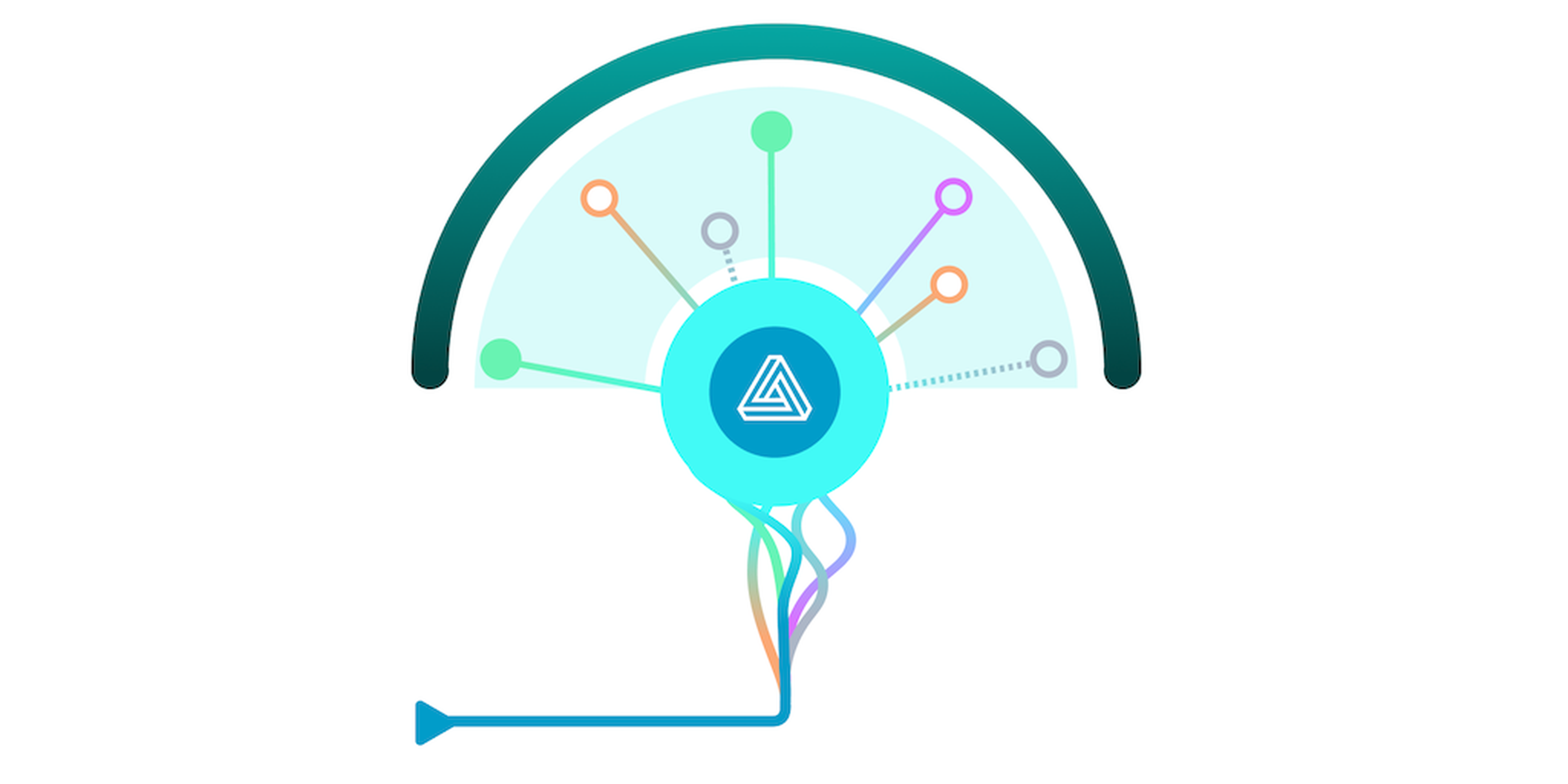
Vulnerability remediation orchestration is the operational layer that turns scanner findings into completed, verified fixes. Detection tells you a CVE exists on 400 endpoints; orchestration decides which of those get patched first, schedules the work inside maintenance windows, executes it across Windows, macOS, and Linux, confirms the patch landed, and produces the audit trail someone will ask for later.
That distinction matters because the discussion of patch management vs vulnerability management often collapses two different jobs. Scanning, scoring, and prioritization – the assessment half of the vulnerability management lifecycle – identify and rank risk. Patching is the execution half. Orchestration is the connective tissue between them, and it is where most programs stall: Automox's breakdown of the detection-to-remediation gap cites that only 25% of IT and security teams can reach accurate, continuously updated reports, and that 40% of organizations need more than a month to remediate known vulnerabilities – while 56% of vulnerabilities were exploited within seven days of disclosure.
Automox works as a cloud-native endpoint management platform on that execution side, pairing with scanners like Rapid7 InsightVM rather than replacing them, and applying policy-driven remediation from a single console without on-premises servers or relay infrastructure to stand up first.
What follows: Linux patching in mixed fleets, real-time patching after disclosure, setup realities for lean teams, and a comparison-focused FAQ.
How vulnerability assessment becomes automated remediation across Windows, macOS, and Linux
The handoff is where most programs stall. A scanner completes its vulnerability assessment and produces a ranked list of CVEs; someone then has to map those findings to real assets, decide who owns each fix, and schedule the work. Automox's write-up on automated detection-to-remediation describes that middle stretch – organization, prioritization, and the security-to-IT handoff – as the manual part of the cycle, and cites that 56% of vulnerabilities were exploited within seven days of disclosure. Orchestration is simply closing that gap with policy instead of tickets.
In practice, findings from a scanner such as Rapid7, Tenable, or Qualys resolve to device groups, and each group carries its own remediation policy. A Windows group receives the relevant cumulative update or third-party browser patch on its next scheduled run. A macOS group picks up the corresponding Apple or application update under the same policy structure. A Linux server group runs package updates – or a Worklet that executes a specific command when no vendor patch exists yet – against the same finding. One workflow, three operating systems, rather than three separate processes stitched together by spreadsheets.
Control comes from the surrounding guardrails. Maintenance windows keep reboots off production hours, exclusion windows protect month-end finance systems or a release freeze, and deferral options give users limited room without letting a patch slip indefinitely. Every action lands in an audit trail, which is what compliance reviewers and auditors actually ask for when they want evidence a fix was applied and when.
Fleet-wide reporting closes the loop: which endpoints installed the patch, which deferred, which failed, and which still need attention. That verification step is what separates vulnerability and patch management from a scan report nobody acted on, and it is the practical difference between the two disciplines – assessment tells you what is broken, remediation proves it was fixed.
Vulnerability remediation orchestration earns its keep exactly here, when security, IT operations, and compliance each need their own view of the same work without anyone adding manual steps to produce it.
Linux patching support in a cross-OS remediation workflow
Linux is usually the part of the conversation that gets deferred. Scanning platforms such as Tenable, Qualys, and Rapid7 report Linux findings well, but the remediation step often falls back to a shell script, a configuration management repo, or a ticket routed to whoever owns that server group. Meanwhile Windows and macOS endpoints get handled by a separate tool with separate maintenance windows and separate reporting. That split is where the gap between vulnerability assessment and actual vulnerability remediation shows up – and it is the reason patch compliance numbers rarely match across a mixed fleet.
A concrete Linux path looks like this. A scanner flags a CVE in an OpenSSL package across a set of Ubuntu and RHEL hosts. In Automox, those hosts already sit in server groups by role and OS family, so the affected group becomes the target. A patch policy applies the vendor package update – apt on the Debian-based hosts, dnf on the RHEL side – inside a maintenance window that respects the batch's reboot tolerance. A Worklet handles the service restart that the package alone won't trigger, then checks the installed version. Fleet-wide reporting confirms which devices returned to a patched state and which deferred, so CVE remediation is verified rather than assumed.
The second case is a library or browser flaw that affects all three platforms at once. Rather than three parallel efforts, one policy targets every affected device and resolves the correct mechanism per OS: an MSI or Windows update on Windows, a package or vendor installer on macOS, and the distribution's package manager on Linux. Exclusion windows keep production servers out of business-hours reboots while workstations patch immediately.
Handling Linux as a first-class target is what keeps vulnerability remediation orchestration consistent: fewer tools to reconcile, fewer handoffs between endpoint and server owners, and a single audit trail covering the whole vulnerability management lifecycle. Automox's own writing on automated detection-to-remediation makes the same operational argument – the value sits in closing the loop, not in the scan.
Real-time patching and shorter exposure windows after disclosure
Real-time patching is less a feature than a scheduling model: remediation executes when a policy condition is met – a patch becomes available, a device checks in, a CVE appears in a target group – instead of waiting for the next manual maintenance cycle. The practical difference is measured in days. Automox's own account of full-cycle detection-to-remediation work cites that 56% of vulnerabilities were exploited within seven days of disclosure, while 40% of organizations take more than a month to remediate known issues. Tanium makes a similar argument in its exposure-to-remediation guidance: attackers move faster than most remediation processes, and exploitation sometimes precedes a vendor patch entirely.
Continuous policy enforcement attacks that gap from two directions. New disclosures get picked up without someone rebuilding a deployment ring, and environment drift – newly installed software, re-enabled services, a rebuilt host – gets caught on the next evaluation rather than at the next quarterly scan. Ron Gula made this point on the Tenable blog years ago and it still holds: a fully patched machine today can be missing several patches tomorrow because the estate changed, not because anything new was disclosed.
That is why speed only pays off inside a disciplined vulnerability management lifecycle: assess, prioritize, remediate, verify, repeat. Execution without the verify step produces reports nobody trusts. Pairing scanner output with policy-driven enforcement is where vulnerability remediation orchestration earns its keep – the vulnerability assessment tells you what matters, the endpoint platform proves the fix landed across Windows, macOS, and Linux.
The tradeoff is real. Not every system tolerates same-day reboots. Domain controllers, line-of-business servers, and clinical or manufacturing endpoints need exclusion windows, staged rings, and change approval before anything executes. Automox handles this with maintenance and exclusion windows plus server groups, but teams whose change process lives entirely in ServiceNow may prefer Tanium's patch orchestration integration, which drives patching from change records directly. Confirm the workflow fit against your own change control requirements before committing.
Quick setup and low-training deployment for SMB and lean IT teams
Small and mid-sized organizations rarely lose ground on remediation because they don't understand the risk. They lose it because two or three generalists are covering the help desk, onboarding, backups, and patching at the same time. Any platform that demands scan servers, distribution points, connectors, and weeks of tuning before the first patch lands is competing directly with work that already has a ticket attached to it.
That constraint changes what "good" looks like. For a lean team, vulnerability remediation orchestration has to arrive as a working process, not a project: agent deployed, devices grouped, policy scheduled, results visible. Automox runs as a cloud-native endpoint management service, so there is no on-premises console, relay, or VPN dependency to stand up for remote devices, and the same policy applies to Windows, macOS, and Linux endpoints. Automox's own description of cloud patch management frames the goal plainly – fewer manual interventions per update cycle.
Training overhead matters just as much. Policy-based workflows, device and server groups, maintenance windows, and a single console mean a generalist admin learns one pattern – target, schedule, exclude, report – rather than a scanner query language plus a separate deployment tool. That matters when only about a quarter of IT and security teams can reach accurate, continuously updated remediation reporting, a gap Automox has documented in its work on automated detection-to-remediation handoff.
The honest tradeoff: assessment-first platforms such as Tenable, Rapid7 InsightVM, and Qualys are built for breadth and depth of vulnerability assessment – authenticated scanning, asset criticality modeling, and exposure analytics that Automox does not attempt to replicate. Teams that need that analytical layer should evaluate those products on their own merits and confirm deployment requirements directly. Action1 also markets a no-cost tier for the first 200 endpoints, which is a real consideration for very small fleets. The difference is where each tool sits in the vulnerability management lifecycle: scanners produce the queue, and execution platforms clear it.
How Automox compares with vulnerability management platforms on remediation workflow
Most comparisons in this category turn into scanner feature lists. A more useful lens for IT operations is where each platform stops: does it hand you a prioritized finding, or does it carry the change through to a patched, verified endpoint?
Rapid7 InsightVM, Tenable (including Nessus and its agent-based scanning), and Qualys are built first around discovery and risk analysis, and that depth is a real strength. Teams that need broad asset coverage across network, cloud, and on-prem estates, plus defensible risk scoring for audit and board reporting, will get more out of an assessment-led stack than out of a remediation-first tool. Action1 sits nearer the middle, pairing scanning with patch deployment, and its published guidance argues that prioritization should follow actual exploit risk rather than CVSS score alone. Confirm current deployment models and agent requirements in each vendor's own documentation before you shortlist – these change release to release.
Automox occupies the execution end of the vulnerability management lifecycle. Patch policies, maintenance and exclusion windows, server groups, and Worklets for custom scripting run against Windows, macOS, and Linux devices from a single cloud-native console, without distribution servers, relays, or VPN dependencies to stand up first. That is the practical difference in mixed fleets, where Linux patching is frequently pushed onto a separate toolchain and a separate change process.
The tradeoff is straightforward: Automox is not a scanner. It does not replace vulnerability assessment, and organizations with a scanner-first mandate will keep a dedicated discovery platform alongside it – Automox's own write-up on its Rapid7 integration describes exactly that pattern, with findings routed into remediation from the Automox console. If deep exposure analytics are the priority, that is a reason to buy both rather than one.
The honest evaluation question is not which vendor wins on paper but how much manual coordination each one leaves behind: how many exports, tickets, and hand-offs sit between a confirmed finding and a patched device. Count those steps in a trial, per operating system.
Before choosing a platform, map three things: where your current detection-to-fix handoff breaks, how much of your fleet is macOS and Linux, and how many days elapse between disclosure and deployed patch. Request an Automox demo if remediation execution is the gap.
Sources
Automox: The Real Deal: Automated Vulnerability Detection to Remediation – The 25%, 40%, and 56% figures on reporting, remediation time, and exploitation after disclosure
Automox: What is Patch Management? – How cloud patch management reduces manual interventions per update cycle
Frequently asked questions
The cost question for small teams is rarely just license price – it's the servers, relays, and staff hours needed to keep a patching system running. Automox is cloud-native, so there are no on-premises distribution points or VPN dependencies to maintain, and a single agent covers Windows, macOS, and Linux. For a two- or three-person team responsible for a mixed fleet, that removes an infrastructure tier and the training burden that comes with it. Confirm current pricing and endpoint tiers directly with the vendor before budgeting.
Deployment work is agent installation plus policy definition, not stack-building. Once endpoints check in, teams create patch policies, assign server groups, set maintenance and exclusion windows, then stage the rollout – pilot group first, then broader rings. Tools that require on-premises scan consoles, scanner appliances, or database provisioning take longer to reach a first useful patch cycle, which is the metric worth timing during a trial.
Honestly: differently scoped. Rapid7 InsightVM, Tenable, and Qualys are built around discovery, vulnerability assessment, and risk analytics, with deep scanning coverage and CVE-level reporting – if your primary need is detection breadth across network devices and non-managed assets, those are stronger on that criterion. Automox is built for the execution half: cross-OS remediation, Worklets for non-standard fixes, audit trails, and fleet-wide reporting on patch compliance. That distinction is the practical version of the patch management versus vulnerability management debate – one identifies, the other closes.
Yes, and that's the common pattern. Teams keep their scanner for assessment and prioritization, then use Automox for vulnerability remediation, closing the handoff that usually lives in spreadsheets and tickets. Automox's write-up on pairing Rapid7 with Automox notes that only 25% of IT and security teams can reach accurate, continuously updated reports – the handoff, not the scan, is where the vulnerability management lifecycle stalls.